The Tour Guide's Next Toolkit Is the Phone They Already Carry
A guide's working kit used to fill a bag: rented receivers, printed itineraries, a clipboard for roll call. Most of it now fits on the phone the guide already carries. Here is how we see the job changing, and what Your Next Tours does about it today.
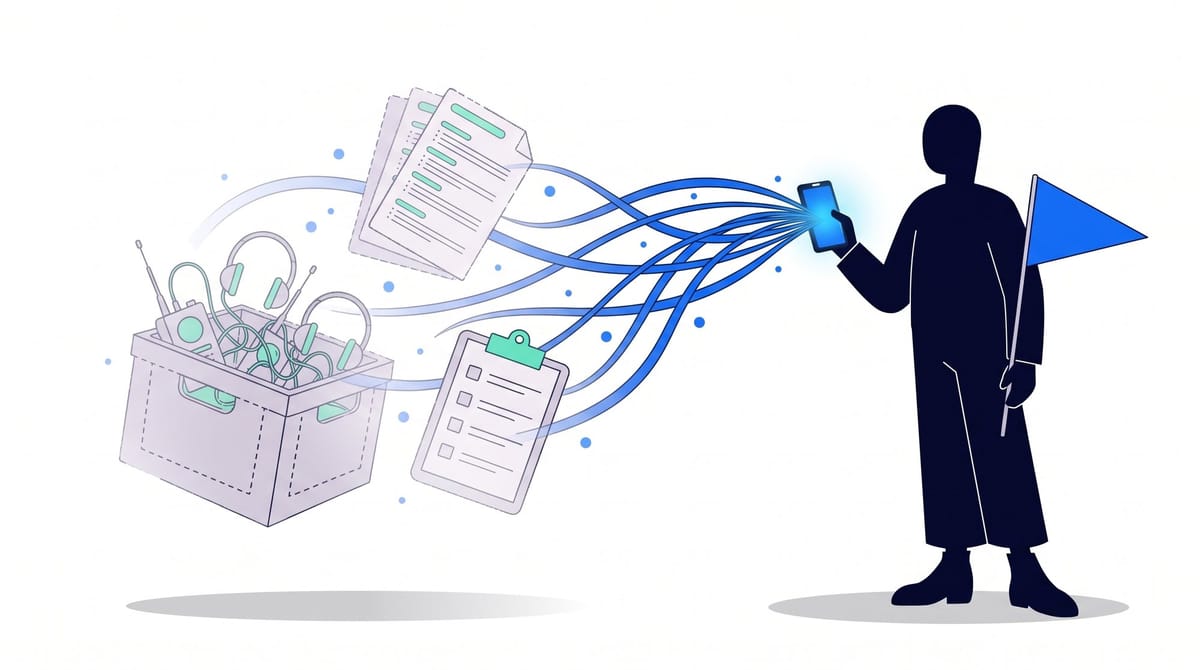
Open a tour guide's bag before a group tour and you will find roughly the same things in almost any city: a flag or a folded umbrella to hold up in a crowd, a case of rented receivers, a stack of printed itineraries, a clipboard with the guest list, and a phone that is already doing half the job through calls and group chats.
Only one item in that bag gets better every year. The rest is the kit guides carried twenty years ago. We think most of the bag is moving onto the phone, and Your Next Tours is how we are building that move without touching the part of the job that matters most: a person telling the story.
The work around the talking
A guide is paid for the hours they speak. The hours around them are where the job leaks time.
The itinerary gets rebuilt for every departure, then copied into a PDF, a group chat and, for a tour company, a website that usually falls behind. Guests get the PDF and miss the change made that morning. Roll call happens on paper, at every stop, name by name. Feedback forms are paper too, or they do not happen at all.
Then there is the sound. The guide either raises their voice over traffic or rents receivers per guest, per tour. And sound is turning from a courtesy into a rule. Our research into tour group headset rules lists 198 written rules in 36 countries, each linked to its official text: city ordinances and site regulations that require guided groups to use headsets, ban loudspeakers, or allow only the site's own devices. In Türkiye, the National Palaces Administration requires headsets for guided groups of more than eight at Topkapı, Dolmabahçe and its other palaces.
Why the phone, and why now
Three things changed at the same time.
The guide's phone can be a server. A modern phone can host a small web page and stream live audio to everyone around it. That alone retires the receiver case; we wrote about how we replaced rented tour headsets in detail.
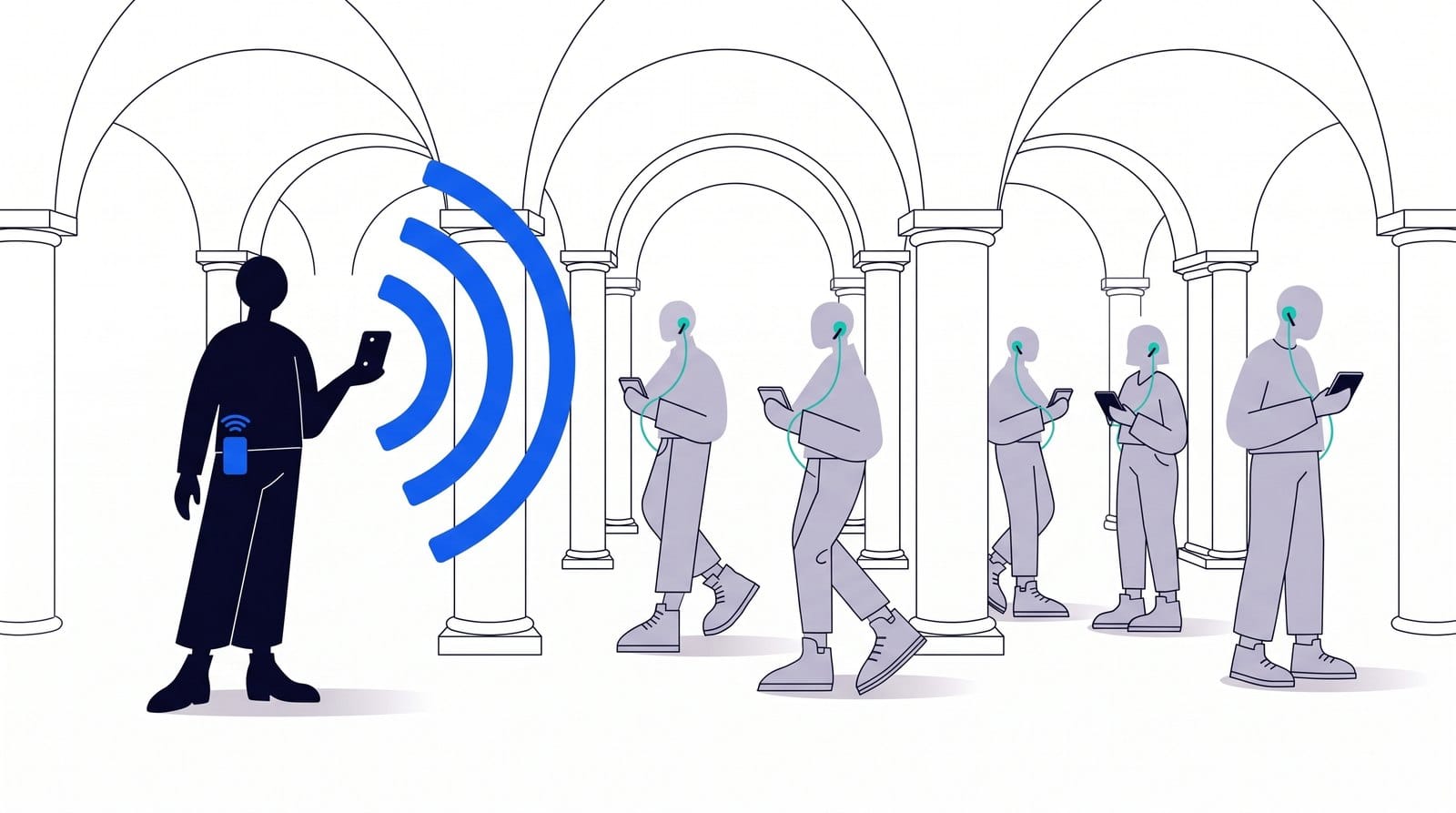
The guest's phone is the receiver. Every guest already carries a phone, a browser and a pair of earphones. Nothing to hand out, nothing to collect, nothing passed from ear to ear.
Language models can do the paperwork. Turning a three-page itinerary into a structured, day-by-day program used to take an evening of retyping. Now it takes one sentence to an AI assistant.
The bag, item by item
The receiver case. The guide opens the app and starts talking. Guests scan a QR code, the listening page opens in their browser, and they hear the guide on their own earphones. No app to install, no account. A pocket WiFi router creates a local network wherever the tour goes, a museum hall or a valley with no signal, so no internet is needed. Where there is a connection, the broadcast can run online instead, and that is also where opt-in live translation works. Mid-sentence, the guide can push a photo or a slide to every screen.
The printed itinerary. The program is written once. Guests open the same trip on their phones and see it as it stands, including the change made at breakfast.
The clipboard. Check-ins and the guest list live in one panel. At the end of the day, guests rate the tour and answer a short survey on their phones instead of on paper.
The website nobody updates. For tour companies, the program the guide already wrote feeds the tour pages on their own website, so it is entered once, not twice.
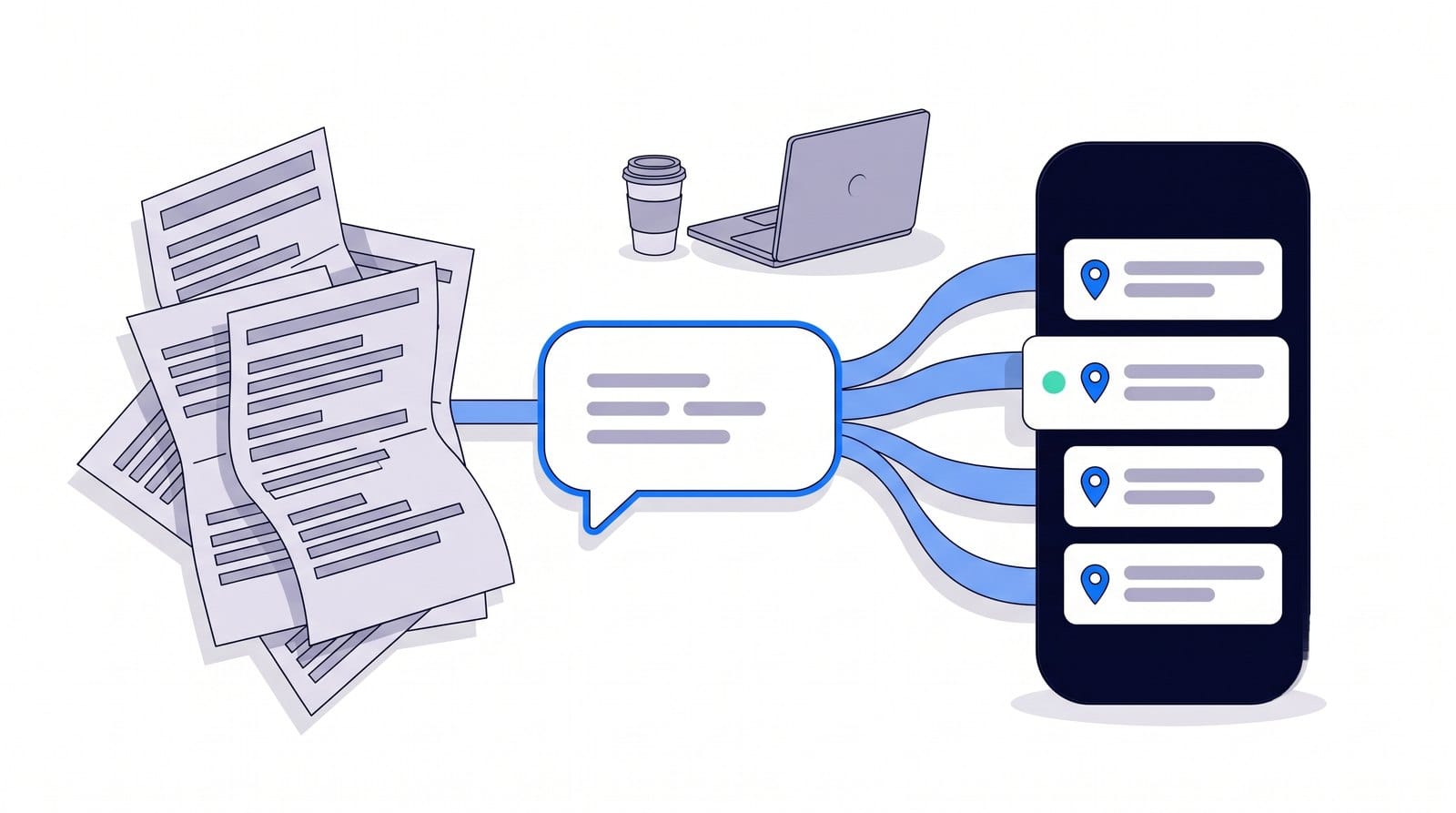
The evening at the laptop. Guides can connect ChatGPT, Claude or another assistant to their account and work by chatting: "Here is my itinerary PDF, turn it into a three-day program." "Open a trip for 14 October from this program." The guide decides what the assistant may touch, and editing a trip never messages guests on its own.
The flag. It stays. Some things a phone should not replace, and a raised flag in a crowded square is one of them.
What should not change
Self-guided apps and recorded audio are good at fixed routes. A live tour is something else: a person reading the group, answering the question someone just asked, changing the route because it started to rain. Everything we build assumes that person is there, speaking live.
That also means being honest about the limits. Audio is one-way: guests raise a hand on screen and the guide answers aloud. Every guest needs a smartphone and earphones. And some sites allow only their own rented devices, so a phone is not the answer everywhere.
Tested on real tours
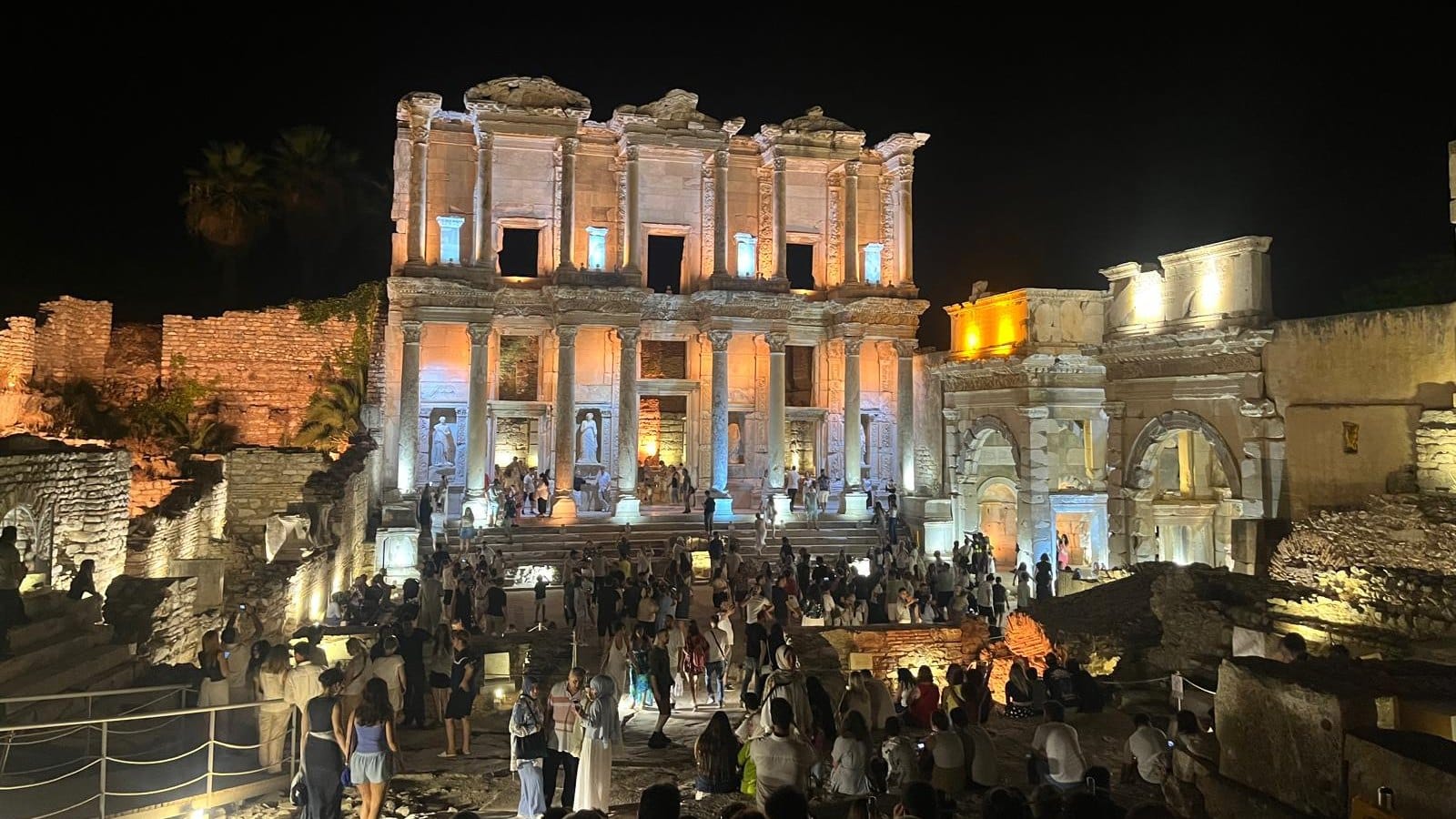
Before calling any of this ready, we took it on real tours with real groups: four field tests, ten days in total. Göbeklitepe in June. The Aegean coast in August, with Ephesus, Priene, Didyma and Miletus. Anıtkabir in Ankara in September. Göbeklitepe again at the end of September.
At Anıtkabir, in an area where phones had no mobile signal, a 40-person group listened over the local network for three and a half hours. On the Aegean tour, the pocket router ran for more than 20 hours on a power bank. Every trip turned up problems; we fixed them and went back. Some features, the check-in list and the company website among them, came from watching guides work on these tours rather than from a planning document.
Try it on your next tour
Download the guide app, open a trip and start talking; your guests only need to scan the QR code. A free account includes short trial broadcasts, so you can test it with your own group before choosing a plan.
- Learn more: yournext.tours
- iPhone and iPad: App Store
- Android: Google Play