Engineering
Why Your Messages Went Post-Quantum Before Your Certificates Did
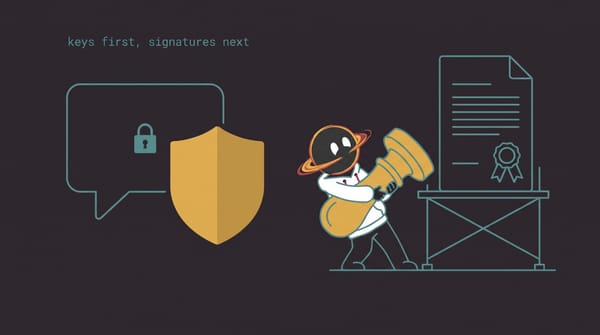
Your messages got quantum-safe encryption years ago, your certificates did not. Why key exchange came first, and how signatures are catching up.

Engineering
Your messages got quantum-safe encryption years ago, your certificates did not. Why key exchange came first, and how signatures are catching up.
Engineering
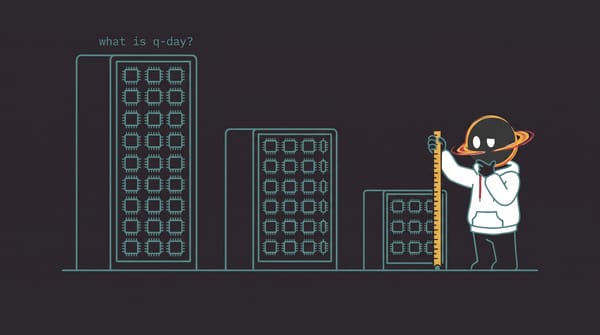
Q-Day is when quantum computers break today's public-key crypto. Why the estimates fell from 20 million qubits to 10,000, and how to read them.
Engineering
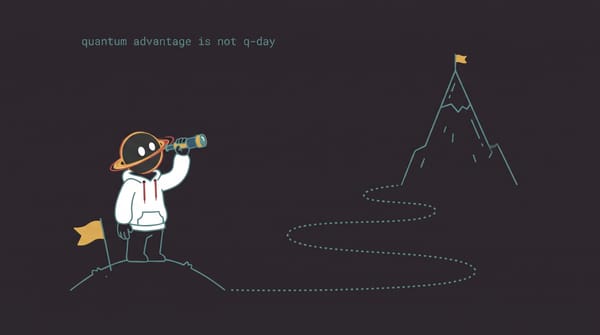
Headlines say quantum computers beat supercomputers. That is not the same as breaking encryption. Here is the gap between the two milestones.
Engineering
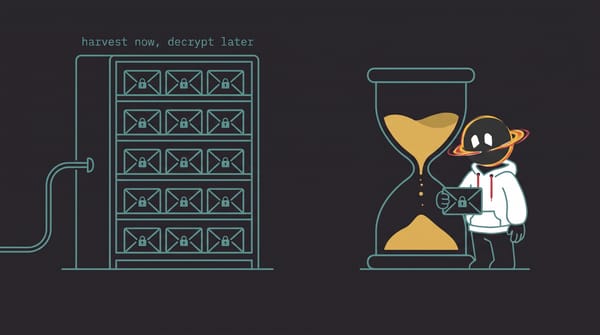
Encrypted traffic recorded today can be read once quantum computers arrive. What that means, why the timeline keeps shrinking, and how to tell if you are exposed.
Engineering
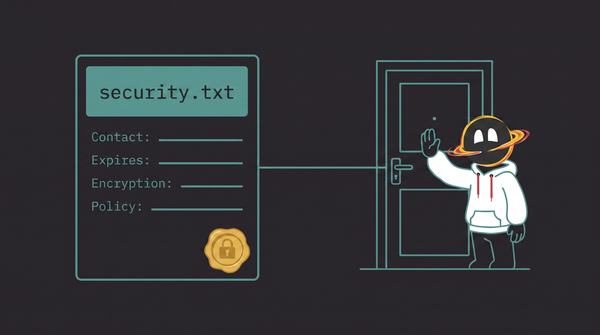
security.txt (RFC 9116) is a plain-text file that tells security researchers how to contact you. What each field means, the file we publish at FirstPoint, how to sign it with PGP, and how to serve it correctly.
Engineering
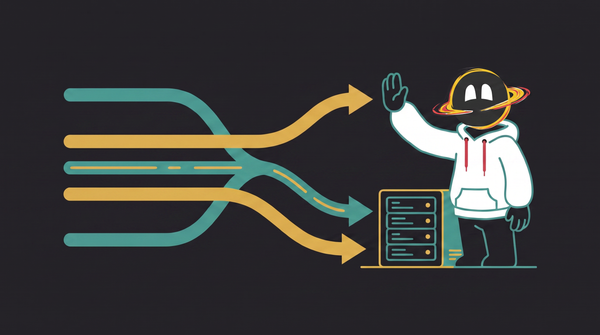
Chrome's privacy preserving prefetch proxy keeps requesting a file most servers never serve. What /.well-known/traffic-advice does, how to write one, and when a tiny JSON file can save your origin from unwanted prefetch traffic.
Engineering
An SSL certificate is not the finish line. HSTS closes the SSL stripping window left open by that first plain HTTP request, and the browser preload list closes it before the request is even made.
Engineering
On September 8, 2025, attackers compromised the NPM account behind several hugely popular packages. How the attack worked, why the financial damage stayed small, and how guard-deps, our open source tool, detects and remediates malicious dependencies.
Engineering
llms.txt is a quiet new standard that tells large language models what actually matters on your site. What the file does, how to write one, and why it makes chatbots give better answers about your documentation.